
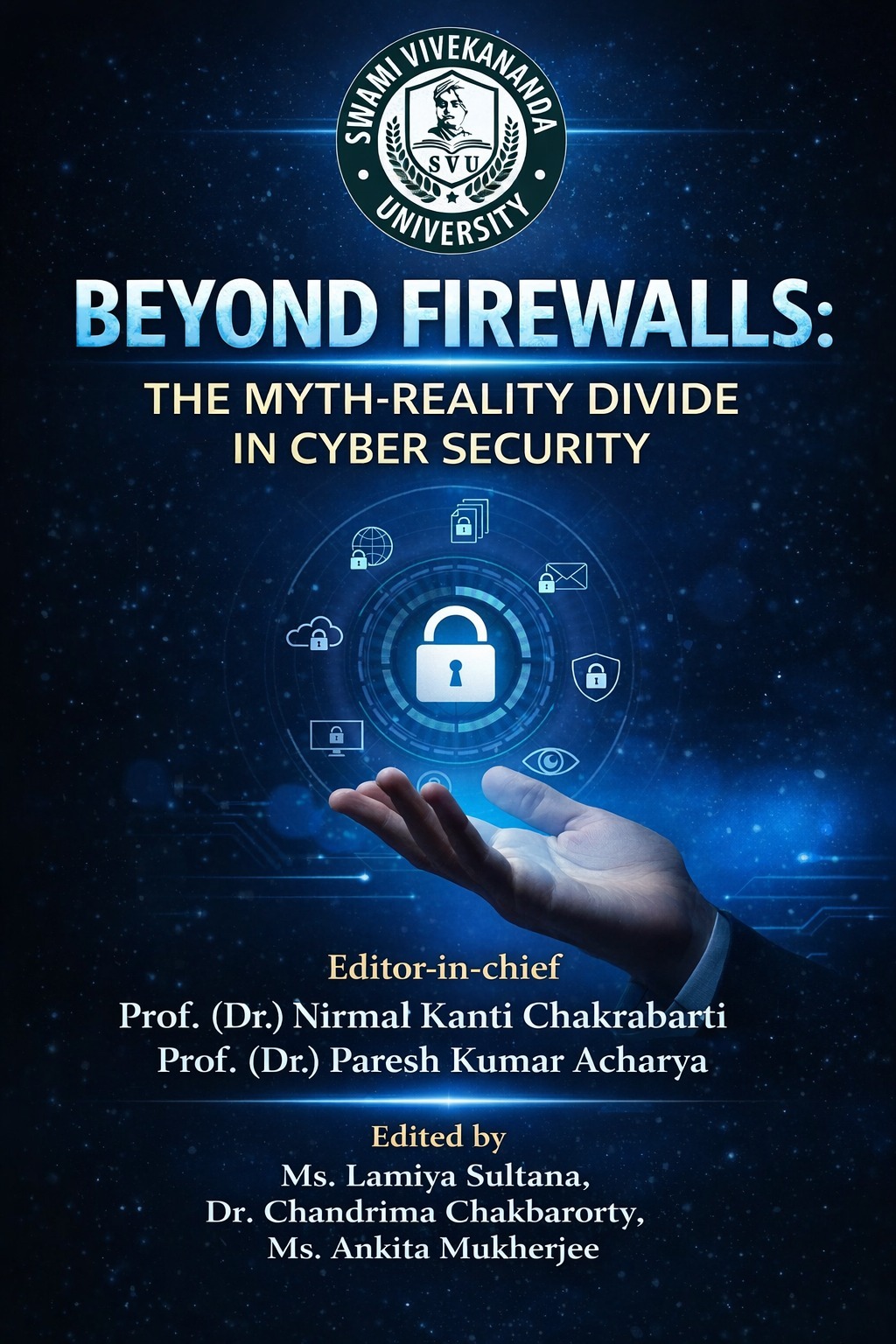
Published 2026-05-18
Keywords
- Informal Labour,
- Cyber Vulnerability,
- Data Protection and Algorithmic Control
How to Cite
Copyright (c) 2025 Swami Vivekananda University Press

This work is licensed under a Creative Commons Attribution-NonCommercial 4.0 International License.
Abstract
The rapid digitalisation of labour markets has transformed the nature of work, extending technological systems into informal and contract-based employment. While these developments promise efficiency, transparency, and inclusion, they simultaneously expose workers to emerging cyber vulnerabilities. This chapter examines the paradox of informal workers in the digital age, where informal and contract workers become increasingly visible through data collection yet remain legally unprotected. It argues that cyber risks such as data exploitation, identity theft, algorithmic wage manipulation, workplace surveillance, and online harassment are structurally embedded within contemporary labour arrangements.
Adopting a socio-legal approach, the chapter critically analyses the limitations of existing legal frameworks, including the Code on Social Security, 2020, the Code on Occupational Safety, Health and Working Conditions, 2020, the Information Technology Act, 2000, and the Digital Personal Data Protection Act, 2023, highlighting their fragmented and inadequate response to worker-centric cyber harms. It further explores how power imbalances, digital illiteracy, and the absence of accountability in contract labour arrangements exacerbate these vulnerabilities.
The chapter contends that cybersecurity must be reconceptualised as a labour rights issue rather than merely a technological concern. It calls for an integrated regulatory framework that recognises digital safety as part of working conditions, ensures employer accountability, and protects the informational privacy and dignity of workers. By bridging the gap between cyber law and labour law, this study contributes to the evolving discourse on digital labour governance in India.
DOI - https://doi.org/10.65525/SVUP.9788199328631.2025.192-206