
Innovative Technologies for Climate-Resilient Water Management: Paving the Way for a Sustainable Future
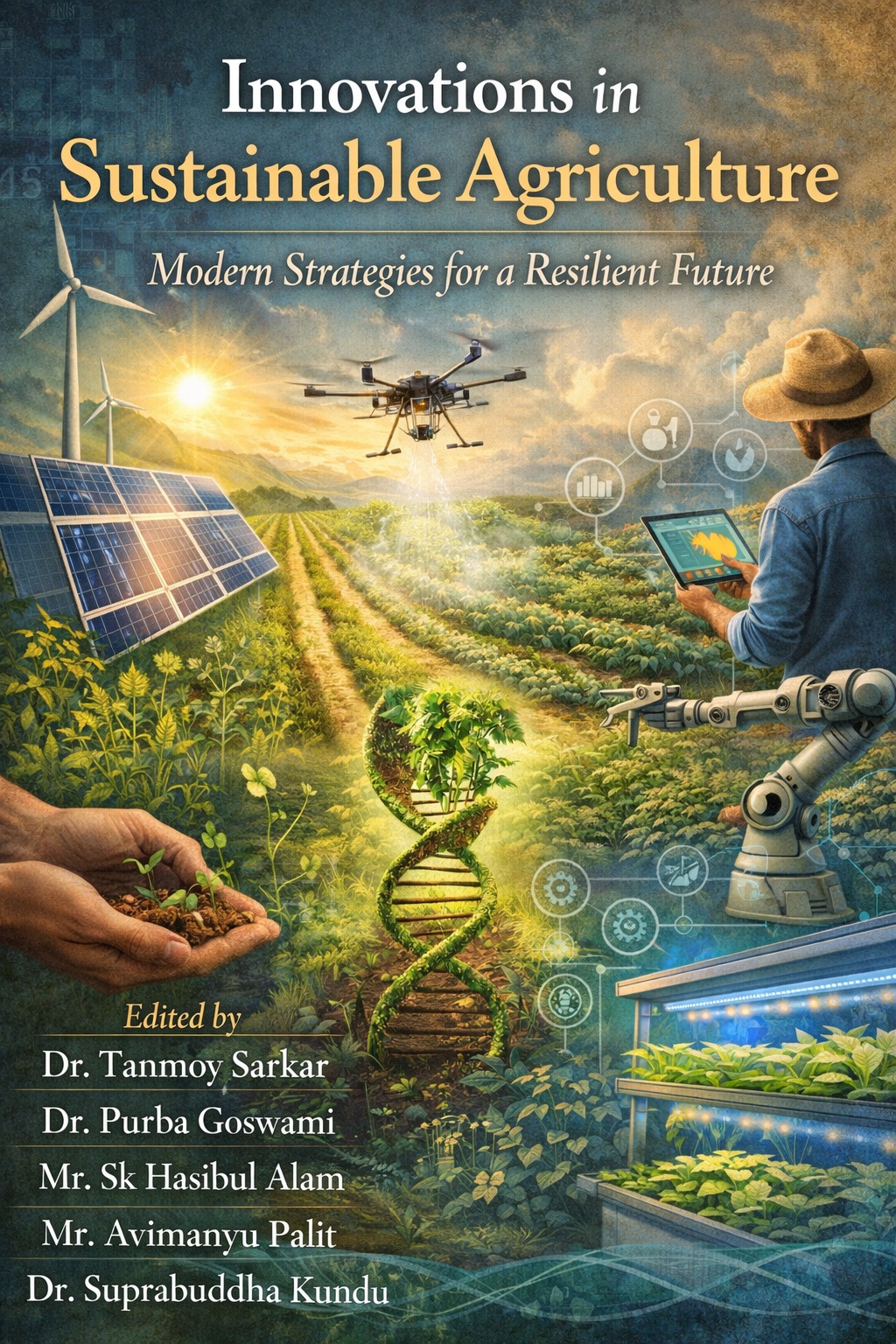
Published 2026-03-13
Keywords
- Climate-resilient water management,
- innovative technologies,
- smart water grids, AI-driven analytics, decentralized treatment,
- nature-based solutions,
- water conservation
- sustainability ...More
How to Cite
Copyright (c) 2026 Swami Vivekananda University Press

This work is licensed under a Creative Commons Attribution-NonCommercial 4.0 International License.
Abstract
As climate change intensifies, water resources face unprecedented challenges, including scarcity, pollution, and increased variability in availability. Innovative technologies are emerging as critical tools for building climate-resilient water management systems. This abstract explores cutting-edge advancements such as smart water grids, AI-driven predictive analytics, decentralized water treatment systems, and nature-based solutions like constructed wetlands and green infrastructure. These technologies enhance the efficiency, sustainability, and adaptability of water systems, enabling better monitoring, conservation, and distribution of water resources. For instance, IoT-enabled sensors and real-time data analytics optimize water use in agriculture, reducing waste and improving crop yields. Similarly, advanced desalination and wastewater recycling technologies provide alternative water sources, mitigating the impacts of droughts and over-extraction. Nature-based solutions, such as rainwater harvesting and aquifer recharge systems, restore natural water cycles while enhancing ecosystem resilience. The integration of these technologies into existing water management frameworks is essential for addressing the dual challenges of climate change and growing water demand. However, successful implementation requires supportive policies, investment in research and development, and stakeholder collaboration. By leveraging innovation, we can create water systems that are not only resilient to climate change but also equitable and sustainable, ensuring water security for future generations.
DOI - https://doi.org/10.65525/SVUP.9788199956056.2026.64-85