
The Dual Impact Of Digitalization: Economic Growth And Security Risks In Leading Global Economies
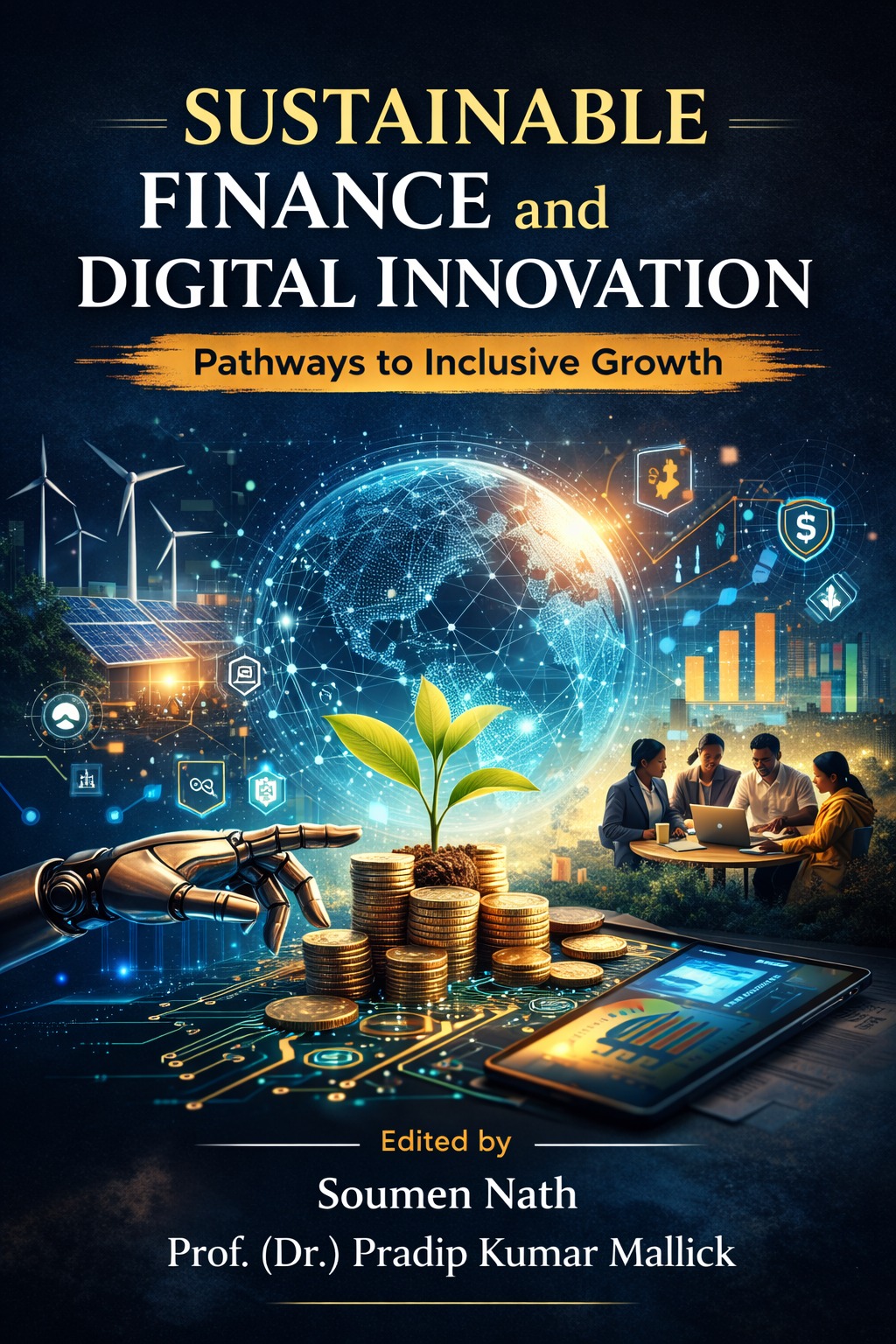
Published 2025-12-26
How to Cite
Copyright (c) 2025 Swami Vivekananda University Press

This work is licensed under a Creative Commons Attribution-NonCommercial 4.0 International License.
Abstract
This discussion examines the impact of digital transformation on global economies, highlighting significant strategies from key players such as the United States, European Union, and leading Asian economies—China, South Korea, and Japan. The U.S. has been a pioneer in digitalization, implementing numerous initiatives that promote cloud technologies and advanced manufacturing, with programs like the Digital Economy Agenda aimed at leveraging the digital sector for economic growth. The EU has established over 30 national and regional strategies, including the EU Digital Single Market platform, which coordinates digitalization efforts across member states and promotes best practices. In Asia, China is emerging as a dominant force in digital technologies, driven by a competitive market and government initiatives like “Made in China 2025.” South Korea’s strategy focuses on developing a new economy rooted in digital platforms, while Japan’s “Society 5.0” strategy aims to integrate advanced technologies across sectors. The analysis reveals two predominant models of government involvement in digital transformation: the market model, characterized by self-regulation, and the administrative model, which emphasizes structured state guidance. Most countries adopt a hybrid approach, blending these models to foster digital economic growth while addressing potential security threats.
DOI - https://doi.org/10.65525/SVUP.9788199651548.2026.84-94