
Published 2025-12-22
How to Cite
Copyright (c) 2025 Swami Vivekananda University Press

This work is licensed under a Creative Commons Attribution-NonCommercial 4.0 International License.
Abstract
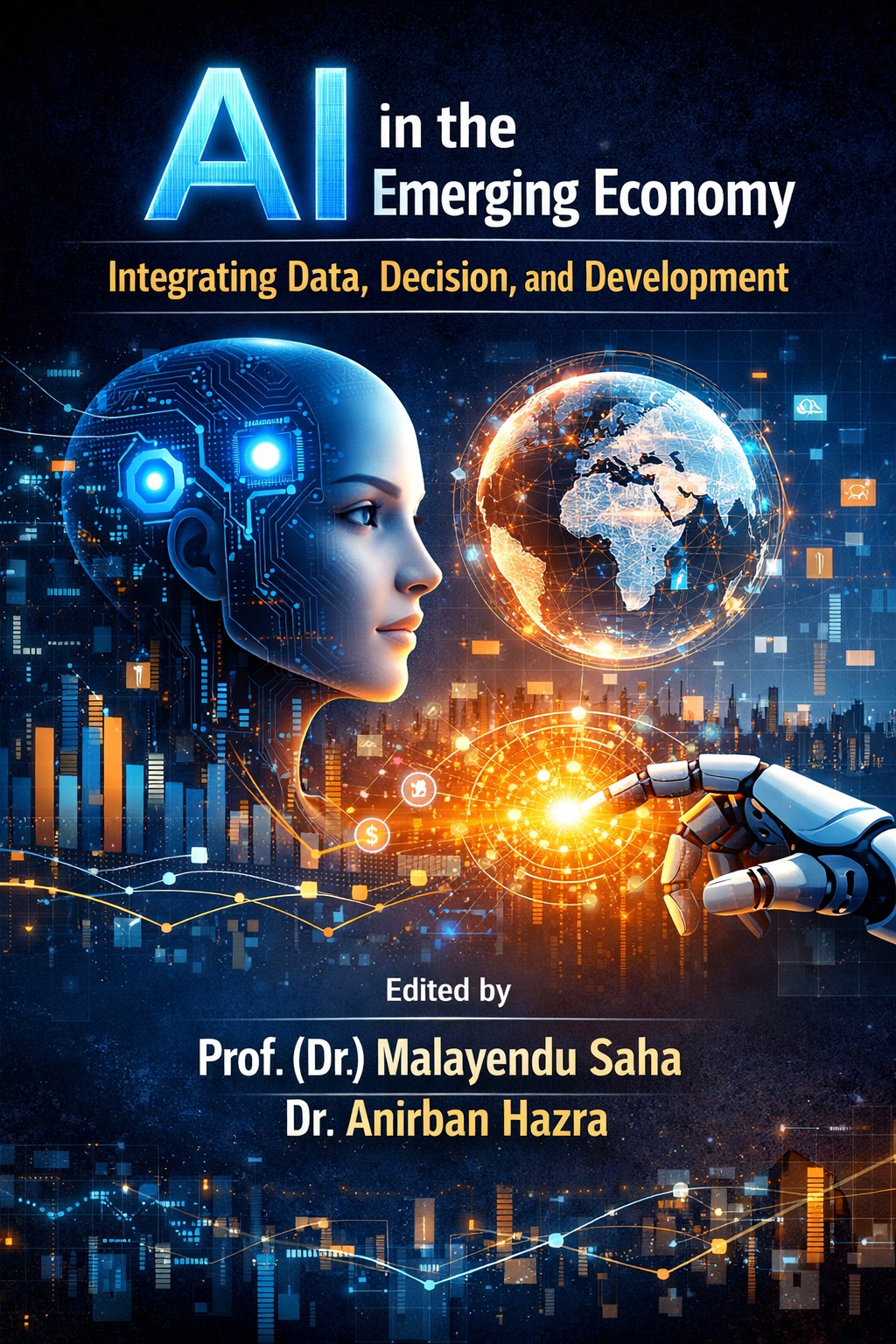
Digitalization offers significant advantages through the integration of production chains into a cohesive information environment, yet its impact on societal structures and national economic security is multifaceted. While it promises benefits like increased efficiency and productivity, digitalization also disrupts existing production and distribution systems, leading to potential job losses and an uneven distribution of advantages across countries and demographics. Furthermore, as businesses and financial institutions benefit disproportionately, the rise of end-to-end technologies—such as automation, blockchain, and artificial intelligence—poses risks, including higher unemployment rates and new market demands for specialized professions. In addition to these challenges, cybersecurity threats, including personal data theft and unauthorized access to sensitive information, underscore the need for proactive measures. This paper categorizes the risks associated with economic digitalization and emphasizes the necessity for collaborative efforts among government, business, and society to navigate these complexities effectively.
DOI - https://doi.org/10.65525/SVUP.9788199651586.2026.97-107