
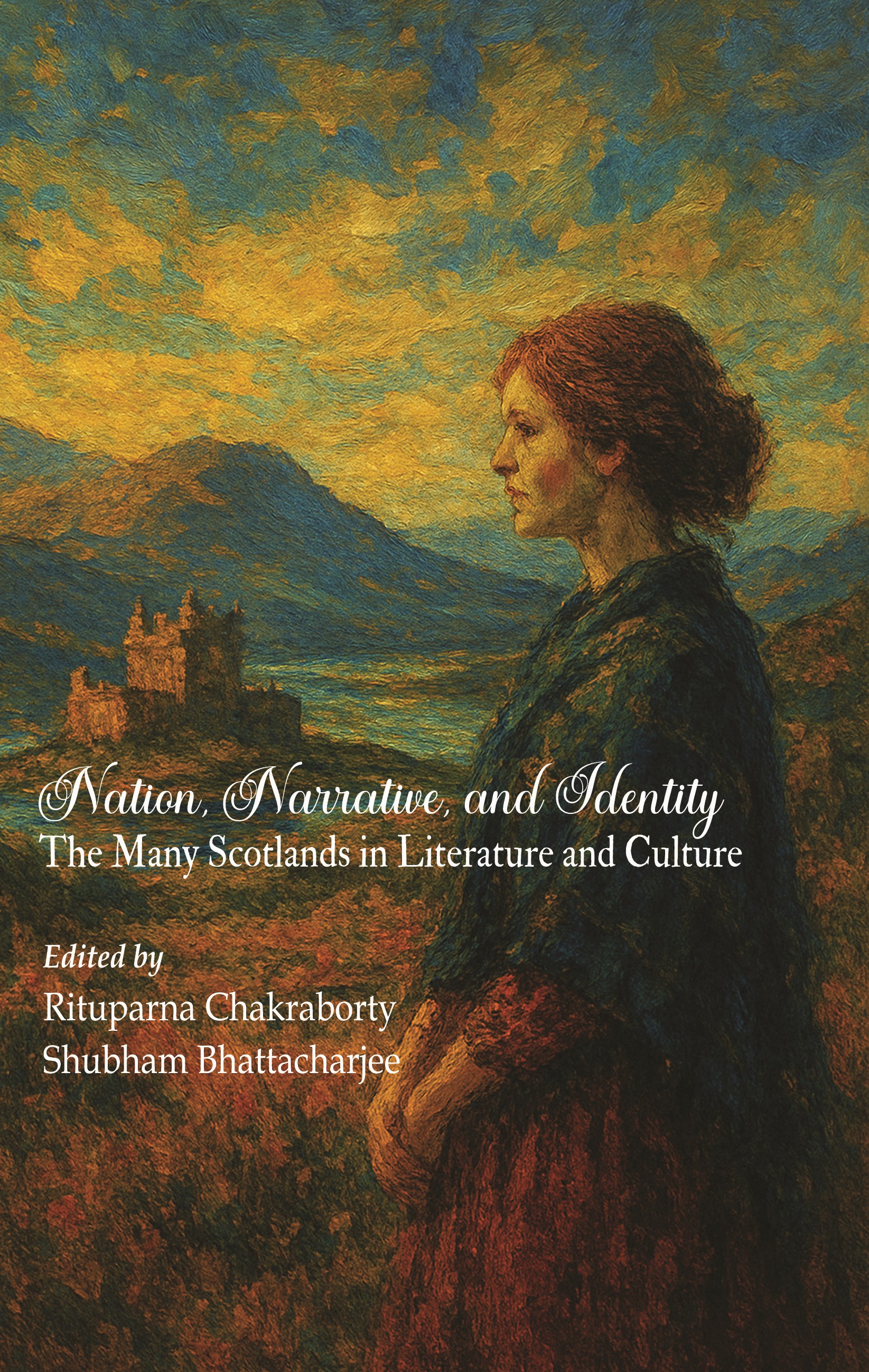
Published 2025-11-21
How to Cite

This work is licensed under a Creative Commons Attribution-NonCommercial 4.0 International License.
Abstract
The Scots language is an essential component of Scottish identity and culture. It is a marker of cultural and historical continuity, a symbol of resistance and national pride, and a living testament to Scotland’s diversity and linguistic richness. While the language has faced challenges, particularly in the face of English dominance, it remains a vital part of Scotland’s cultural expression, whether through literature, music, or daily life. Scots continues to shape how Scotland sees itself and how it is perceived in the world, making it an invaluable part of both personal and national identity. The Scots language, particularly in literature and political discourse, has become a form of cultural resistance and a tool for articulating a separate Scottish identity, distinct from English or British identity. During movements for devolution or independence, the promotion and celebration of Scots as part of the national culture has gained greater significance as a way to express Scottish autonomy and self-determination. This paper explores how contemporary Scottish writers use Scots dialect and language to reflect identity, culture, and regionalism in their works.
DOI - https://doi.org/10.65525/SVUP.9788199392045.2025.43-50